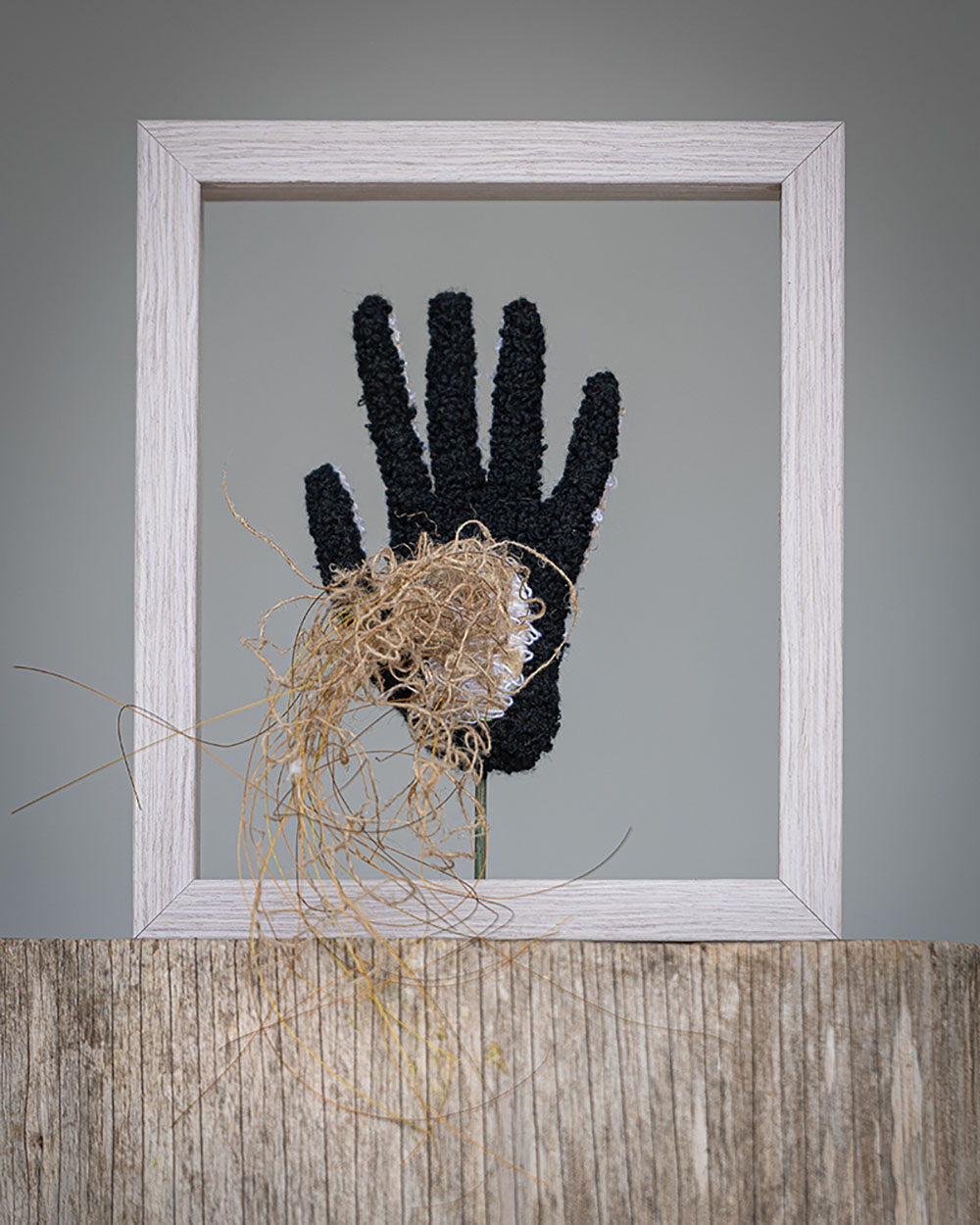
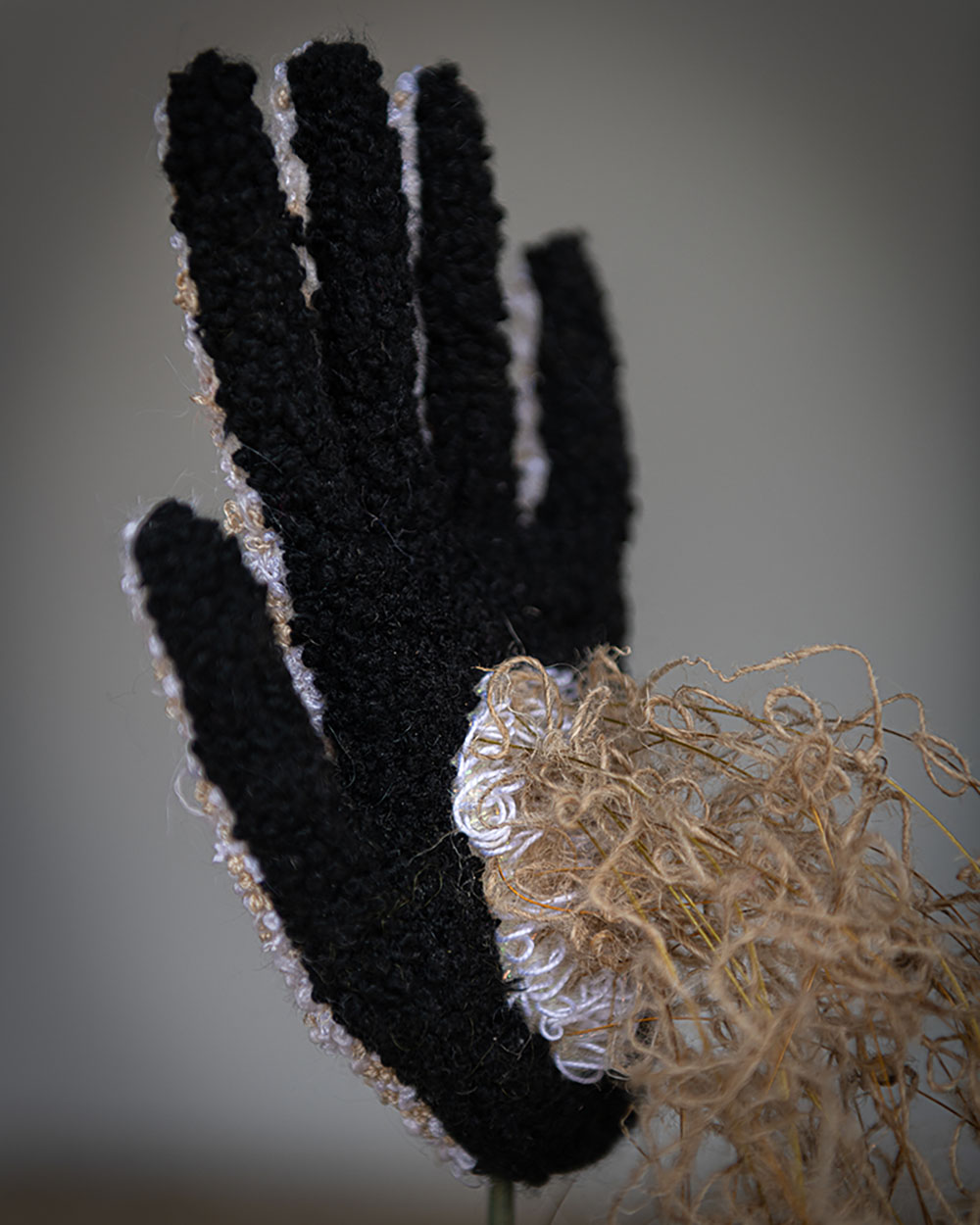
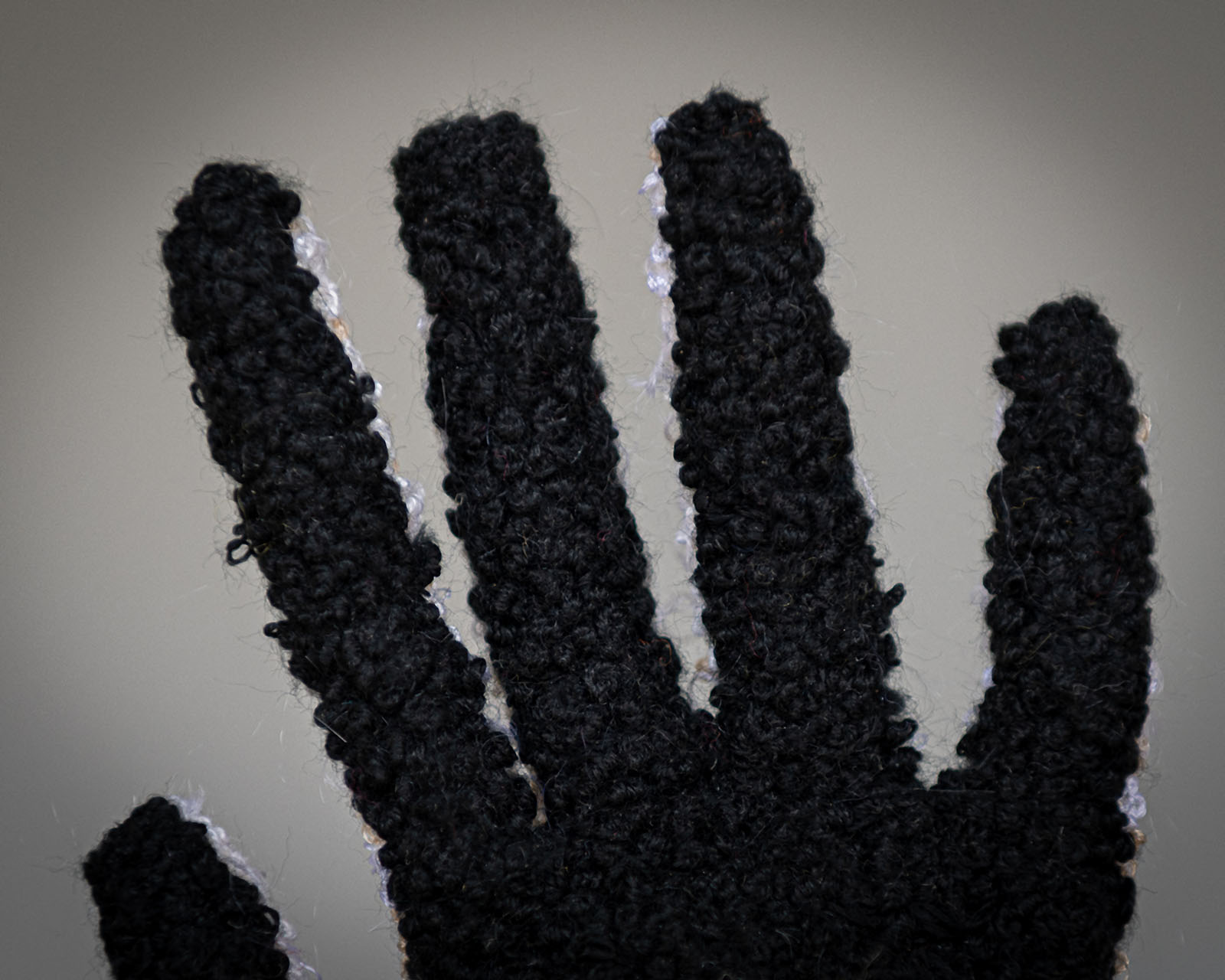
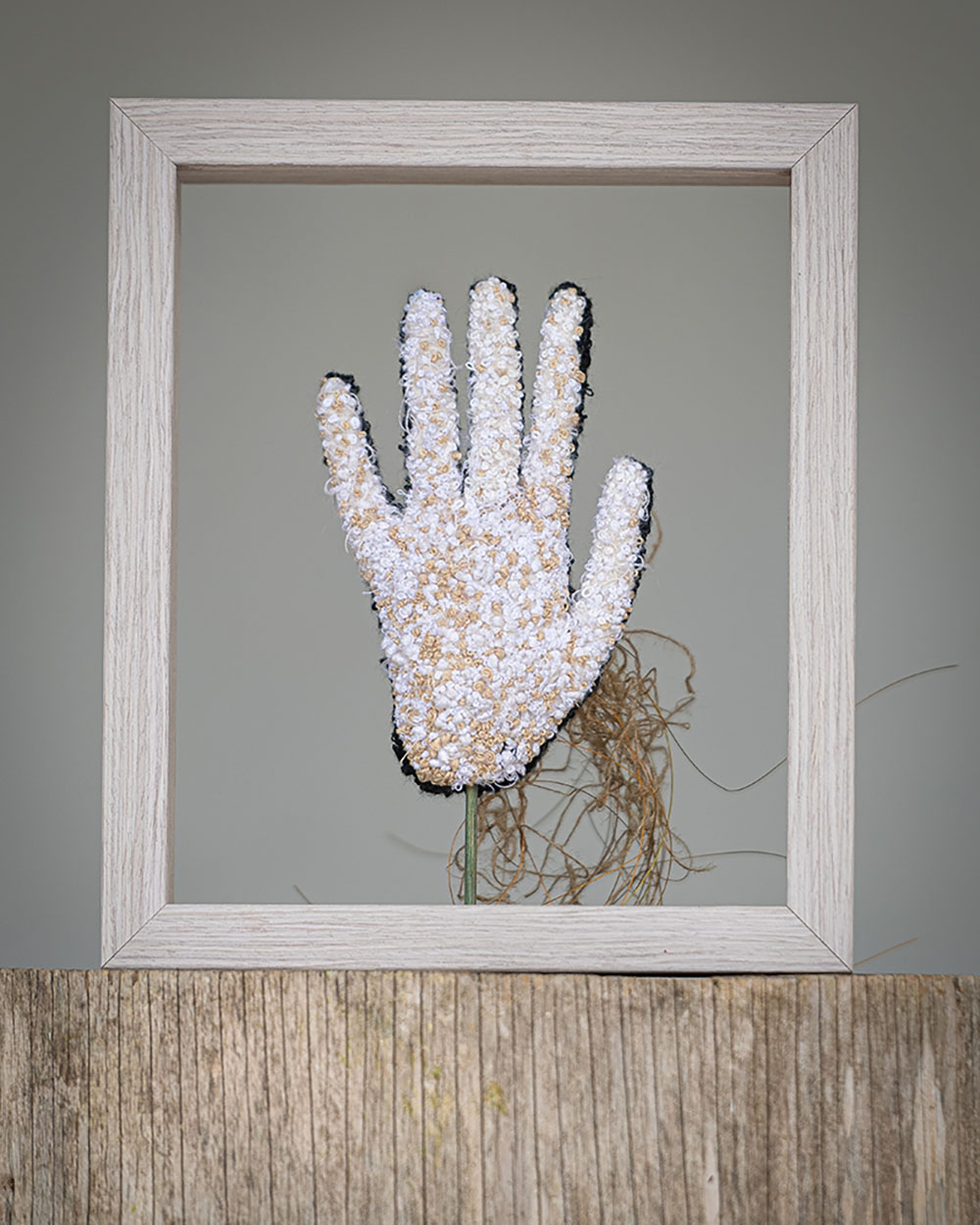
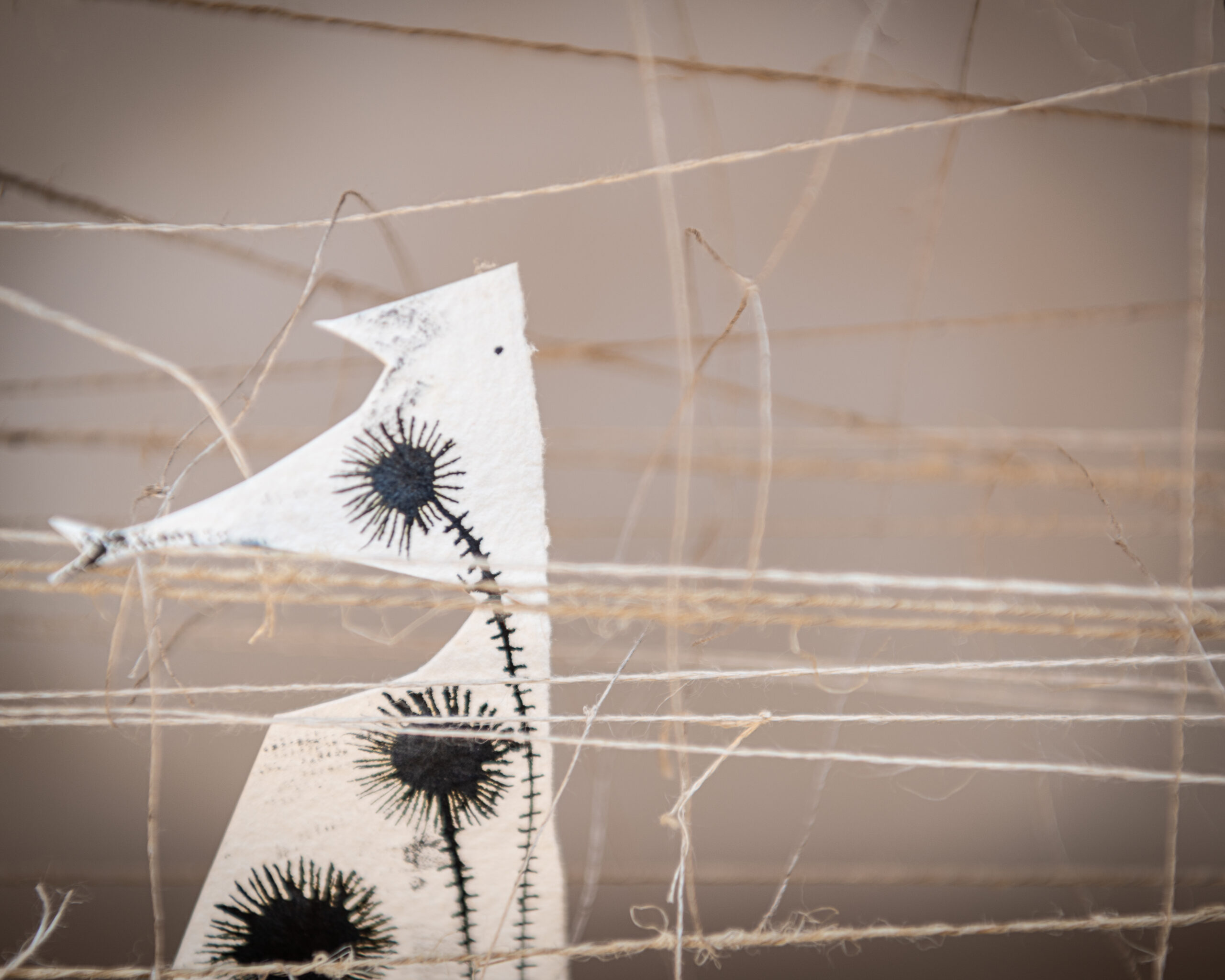
BIANCO, NERO E ROSSO
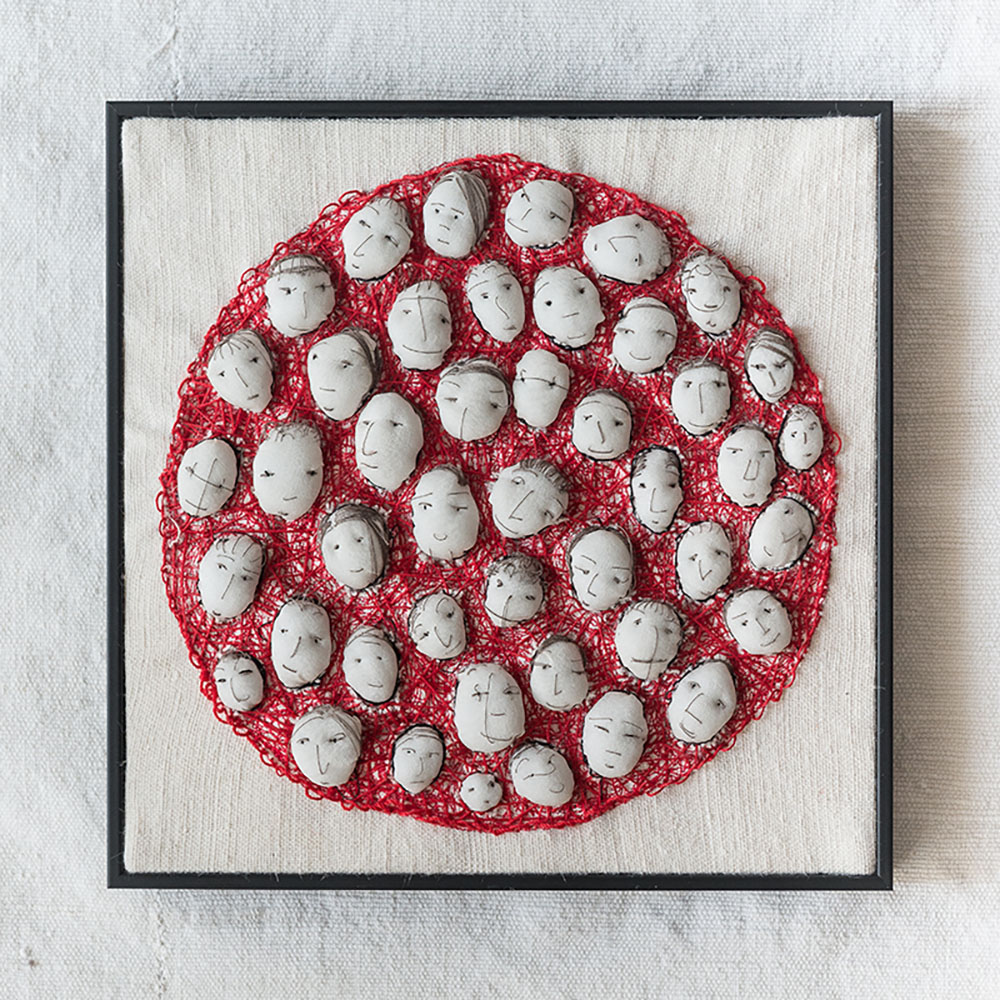
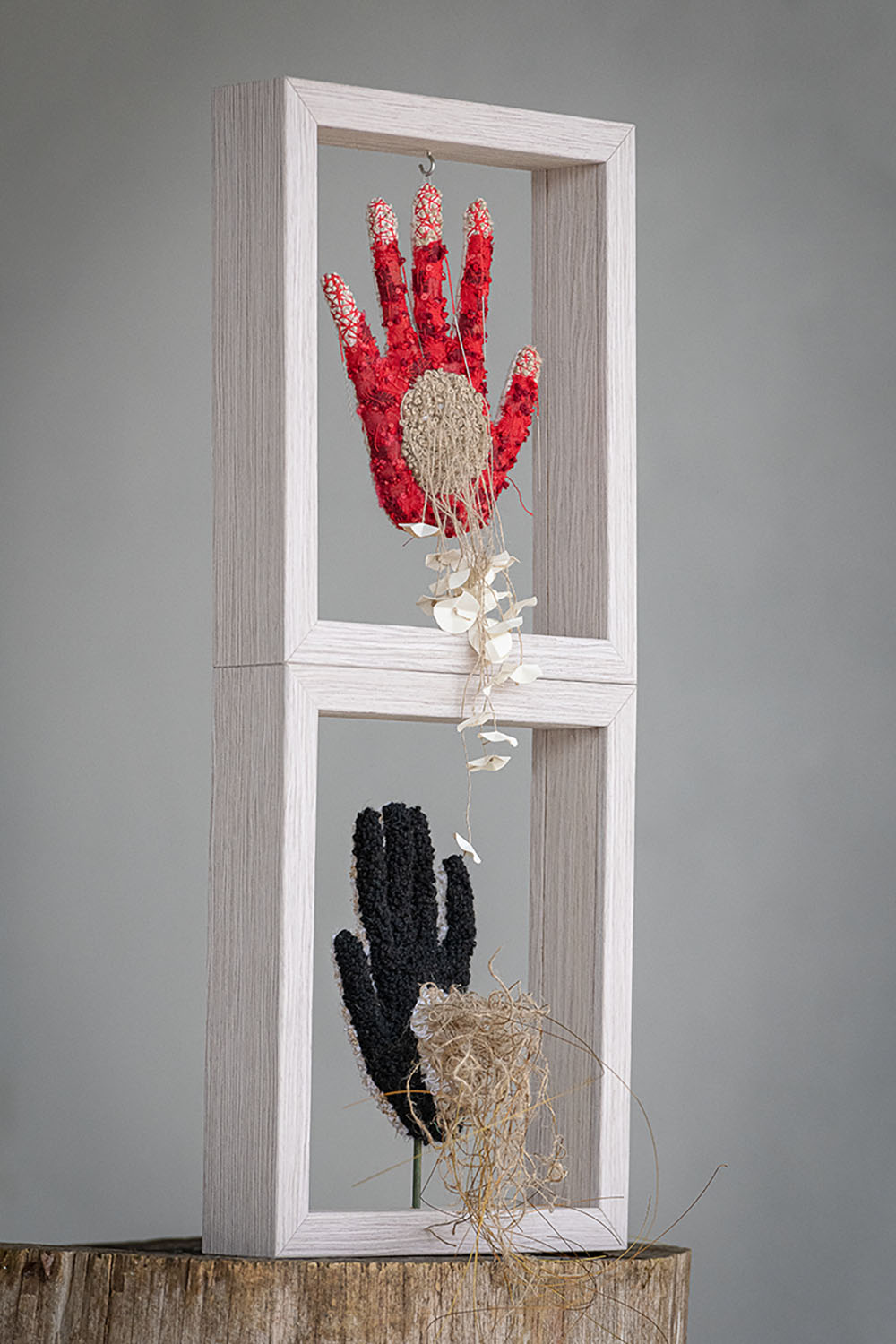
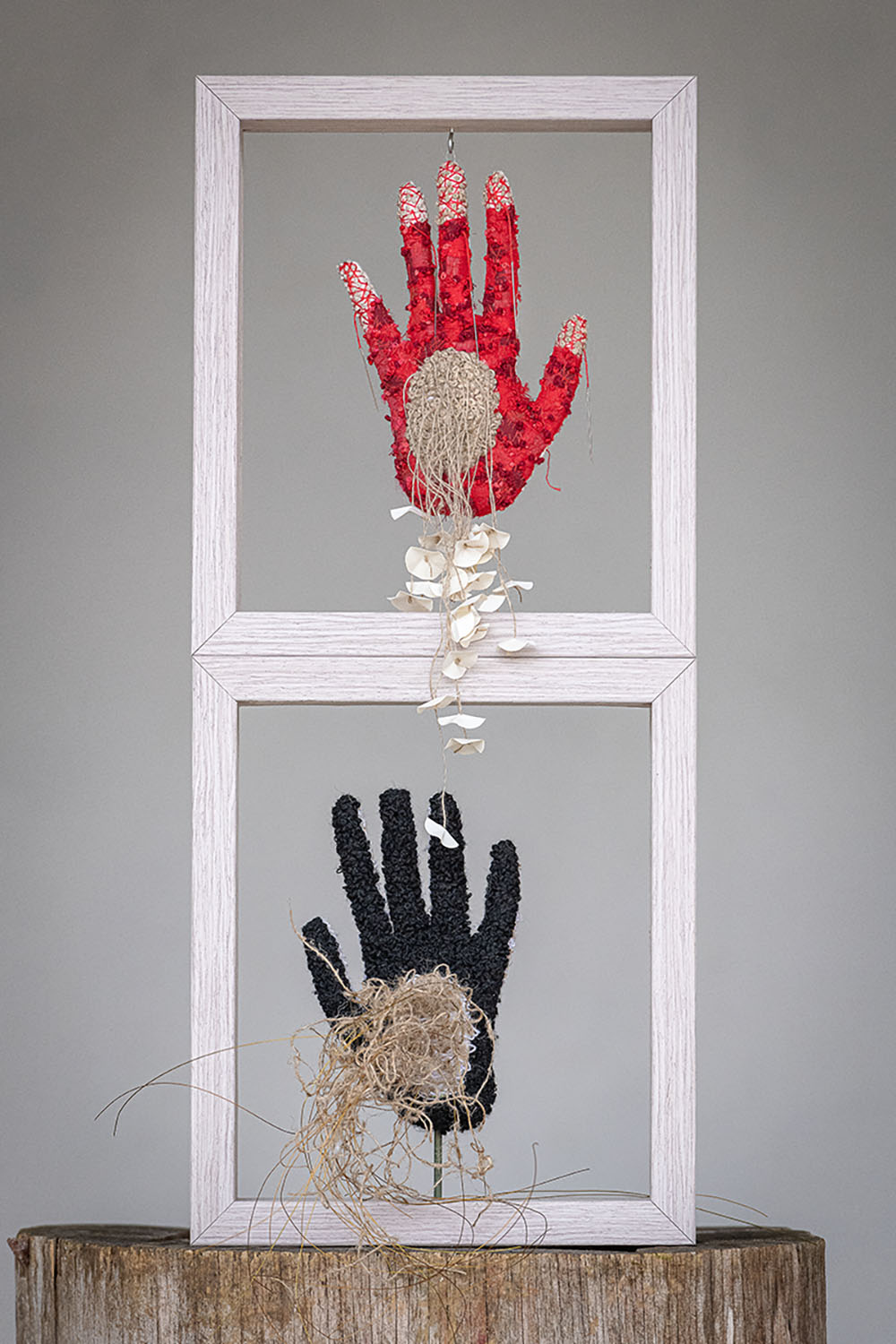
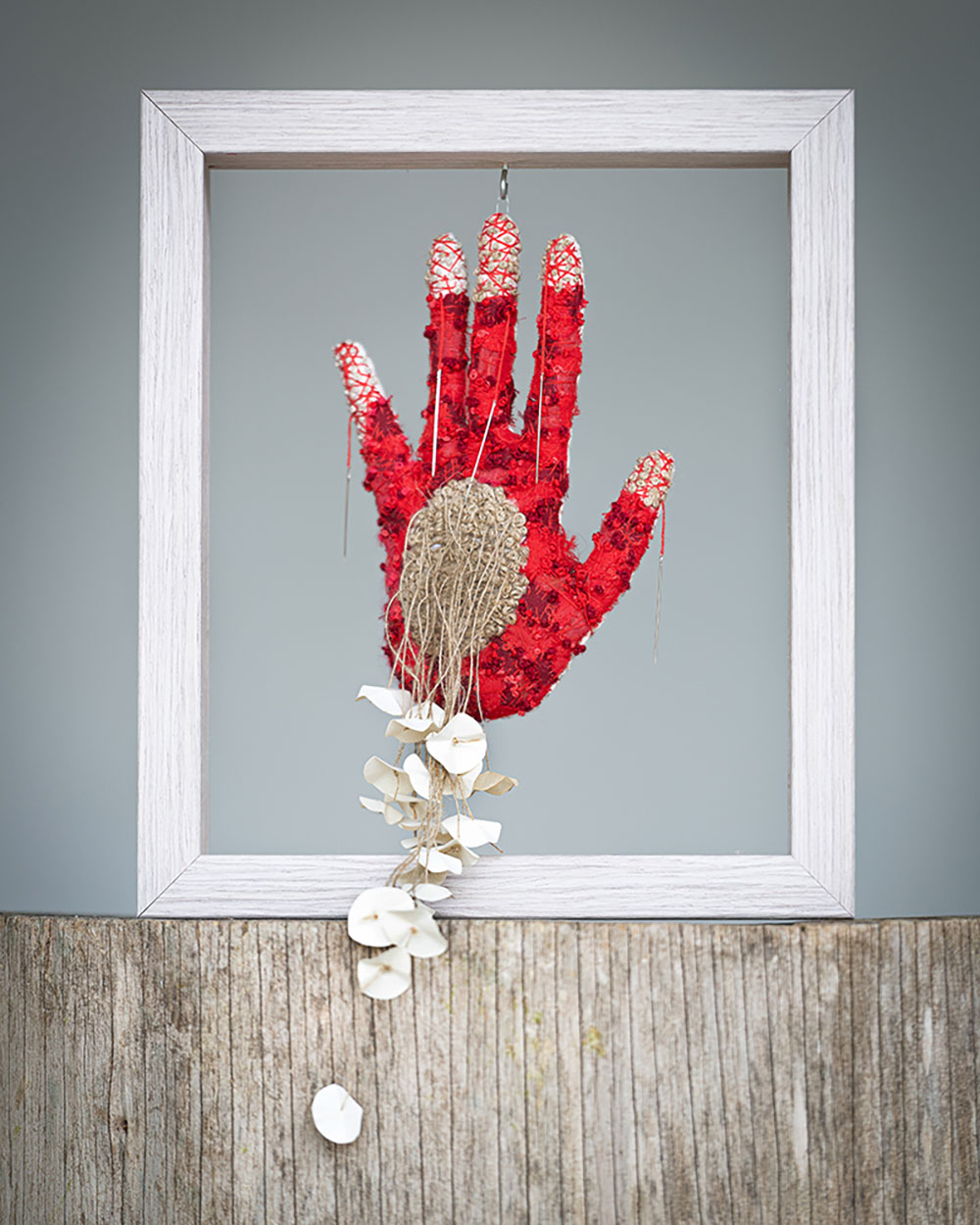
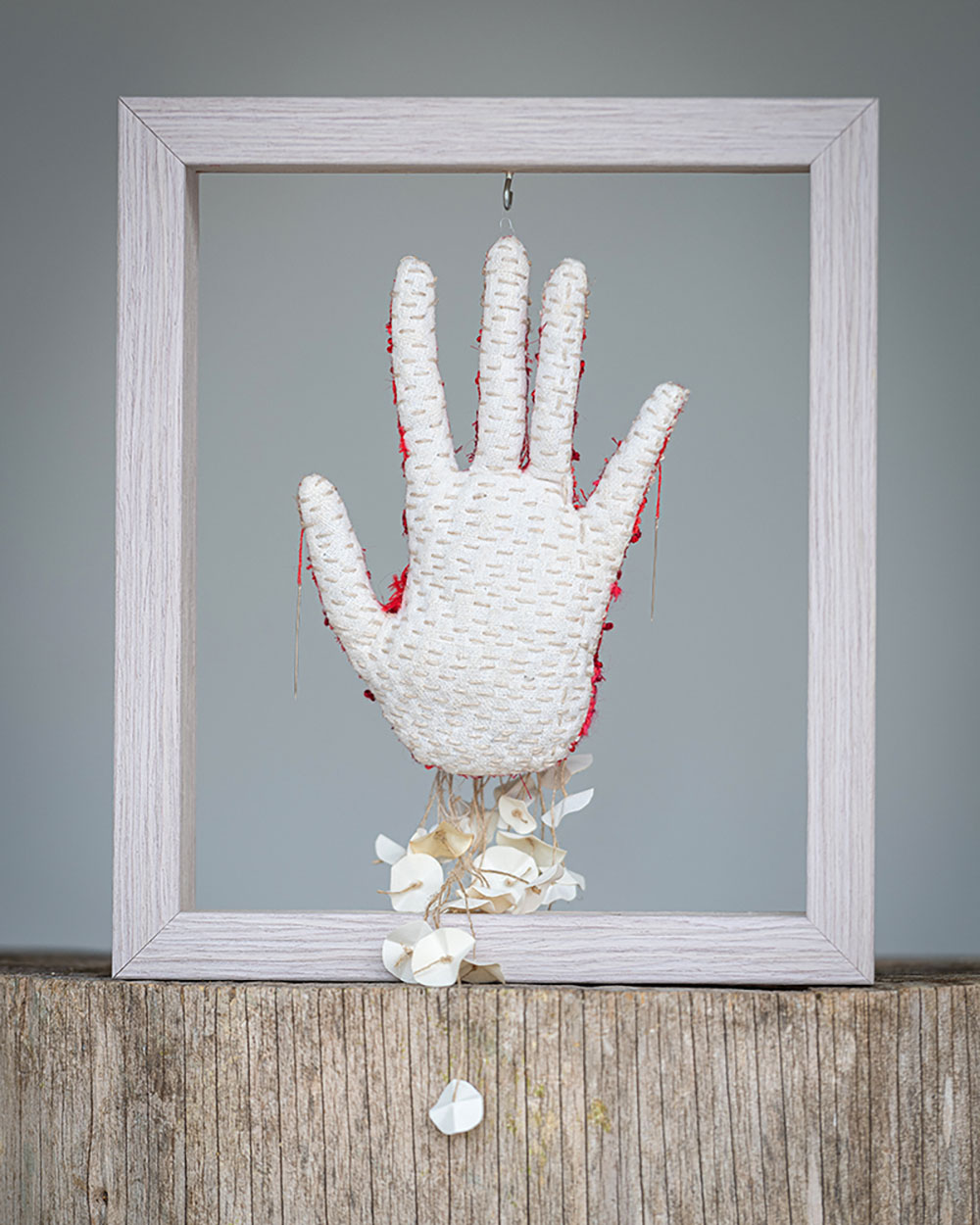
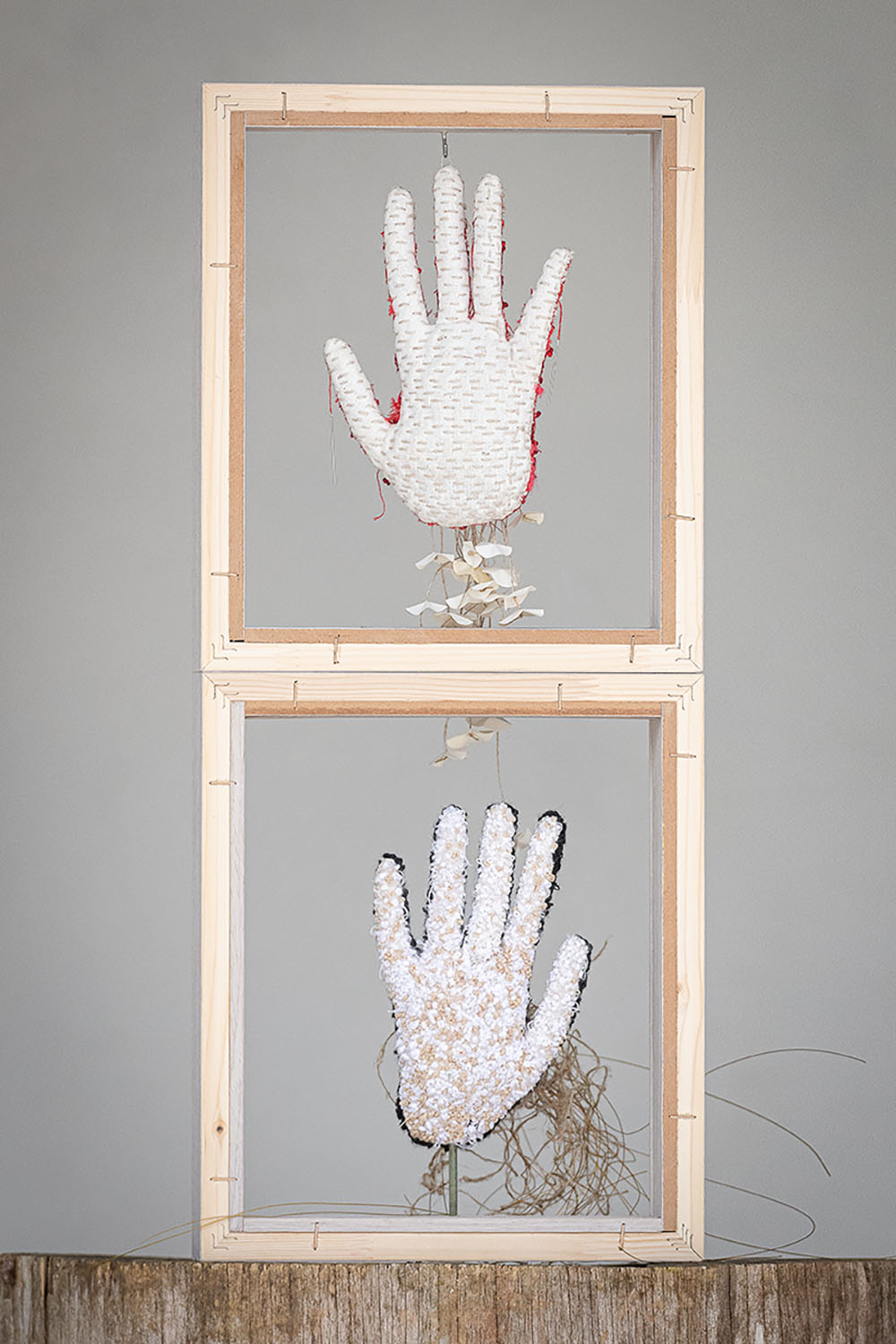
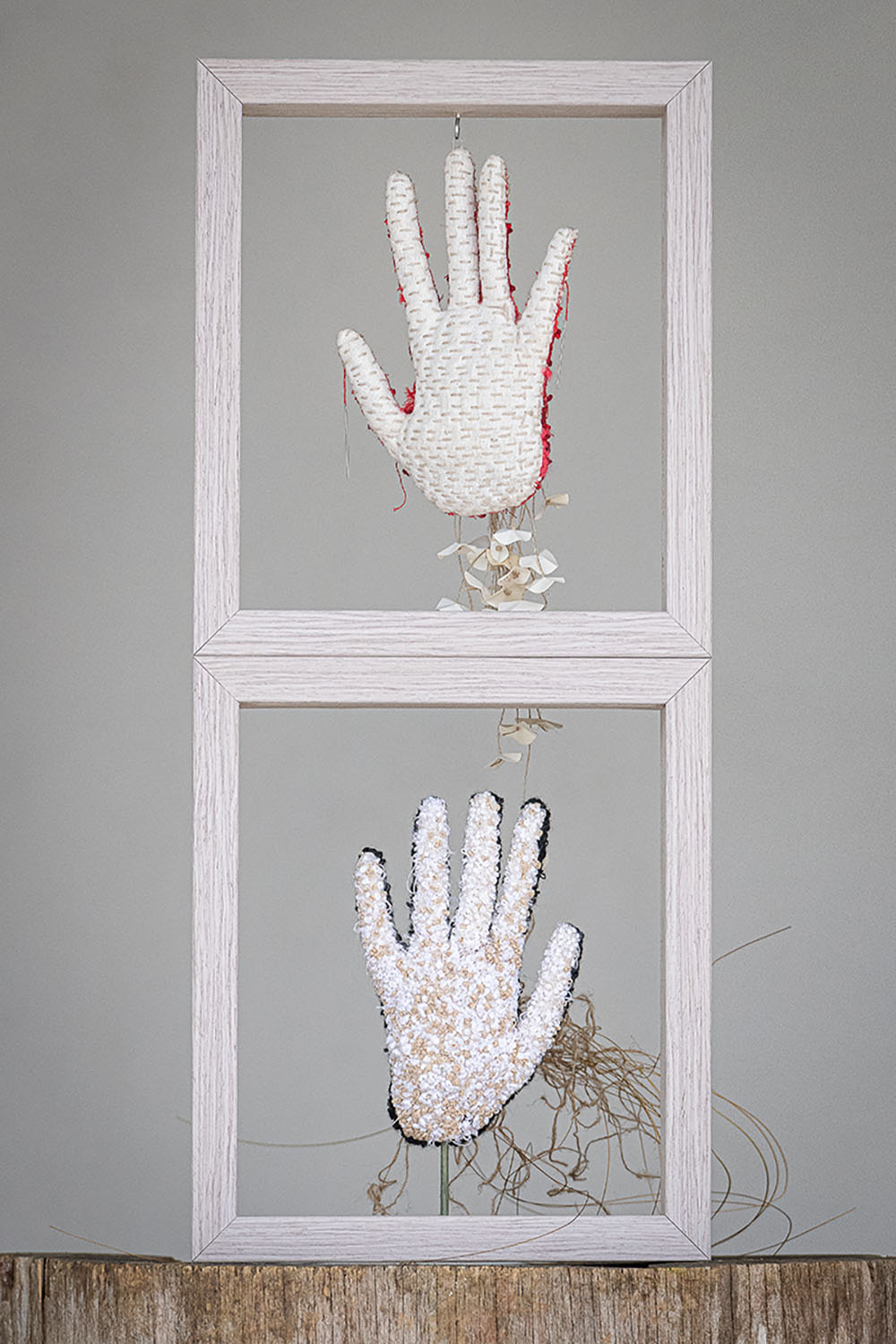
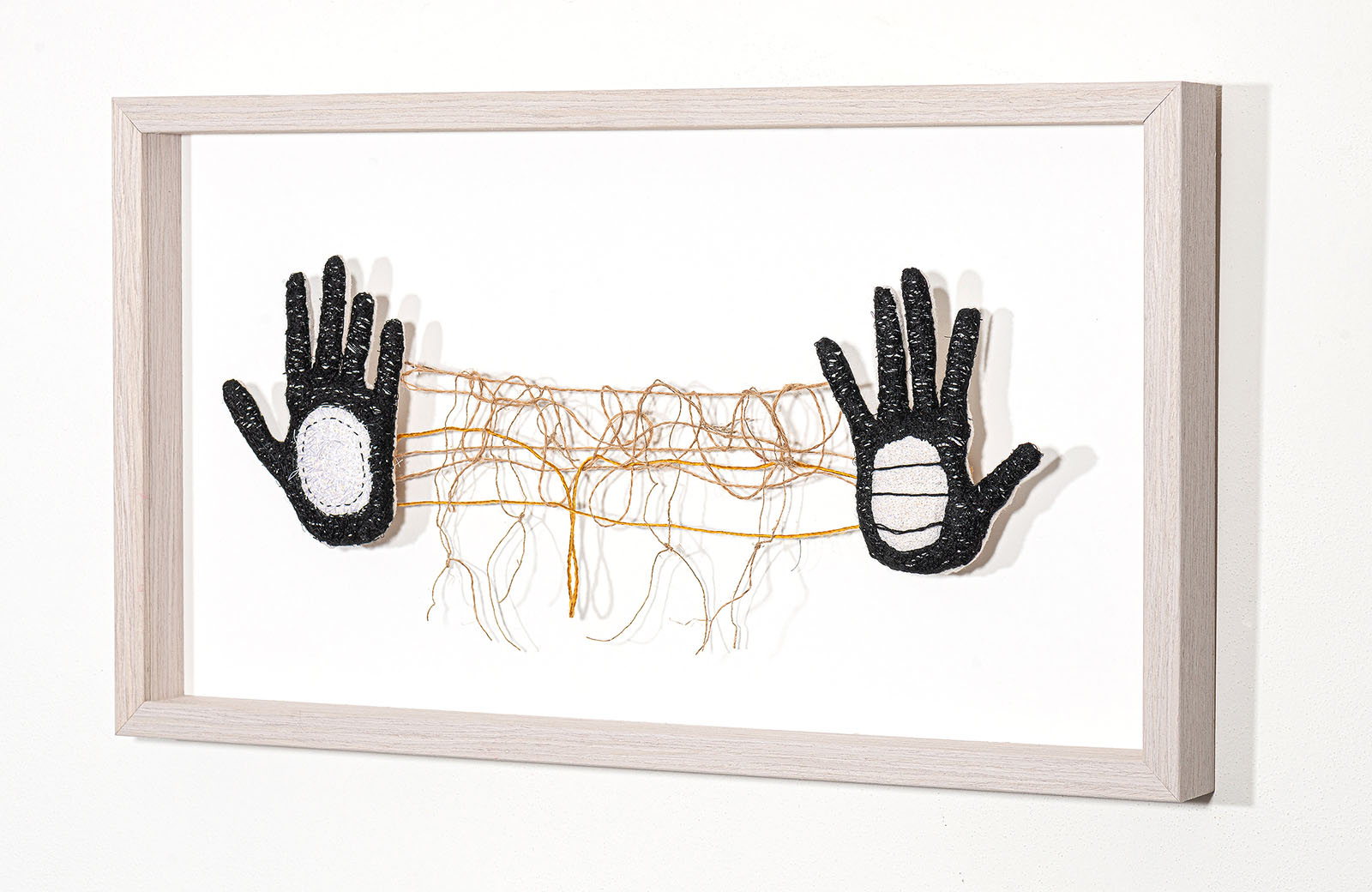
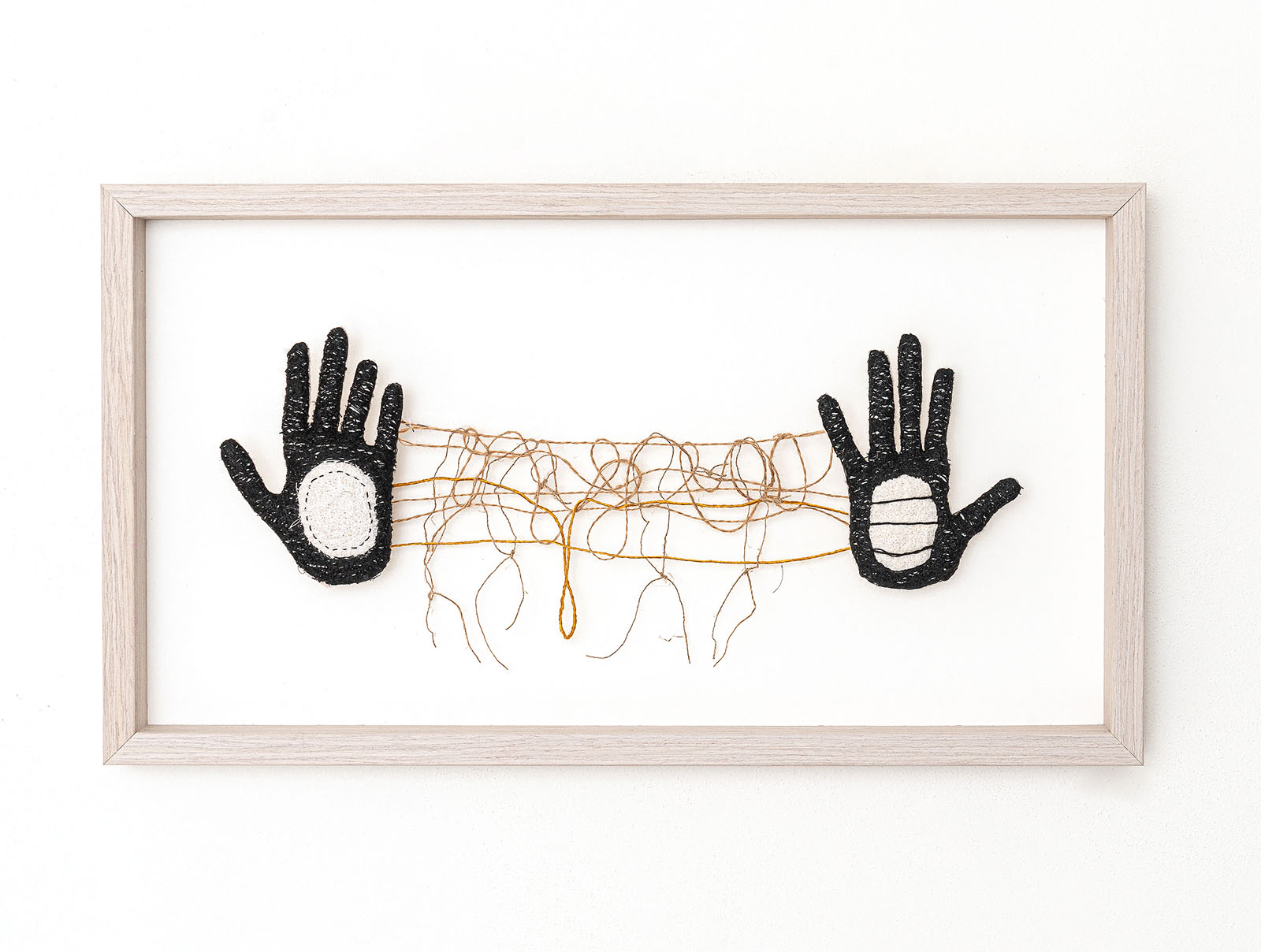
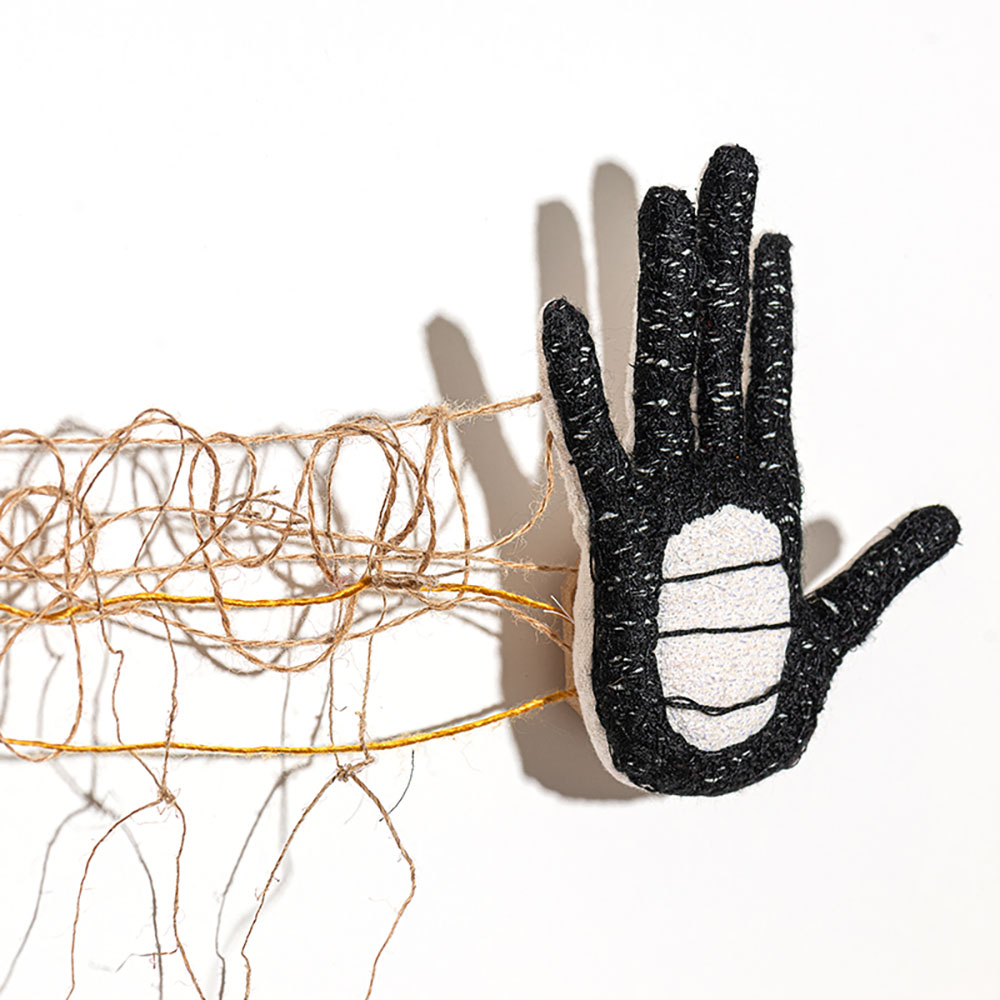
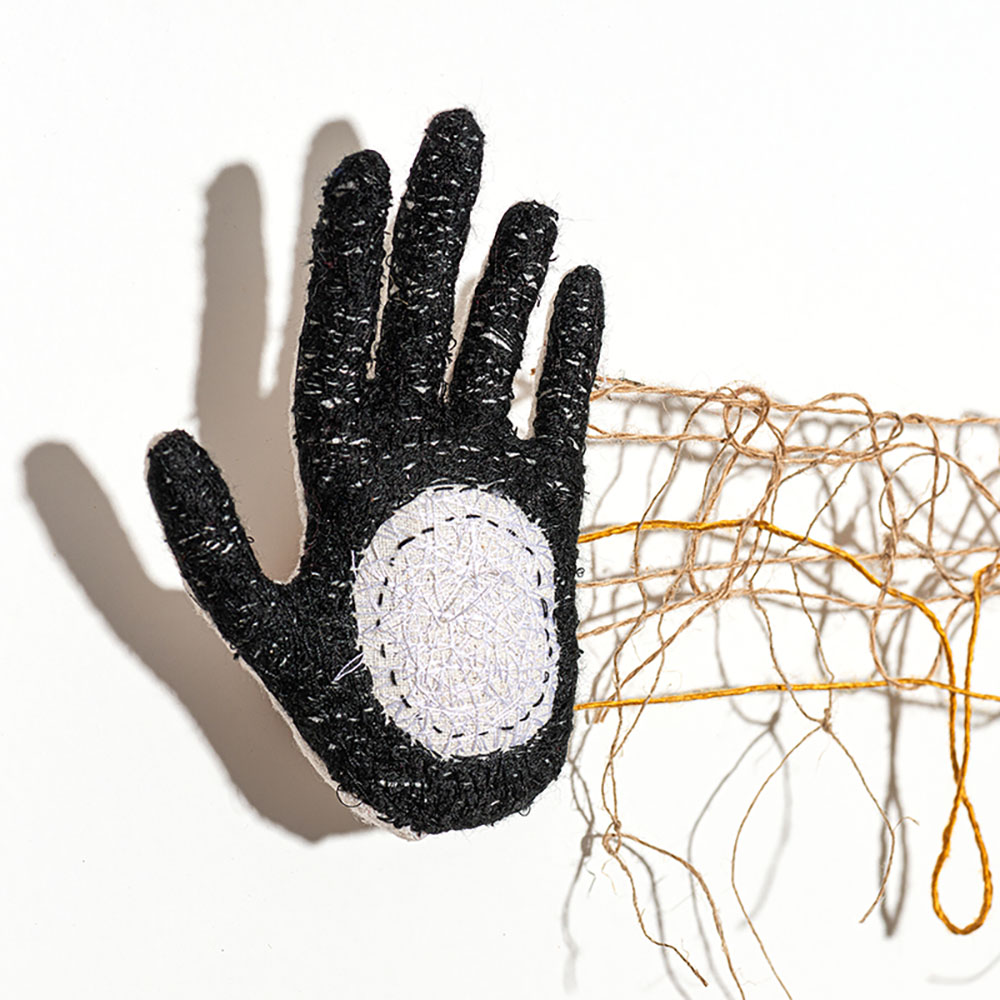
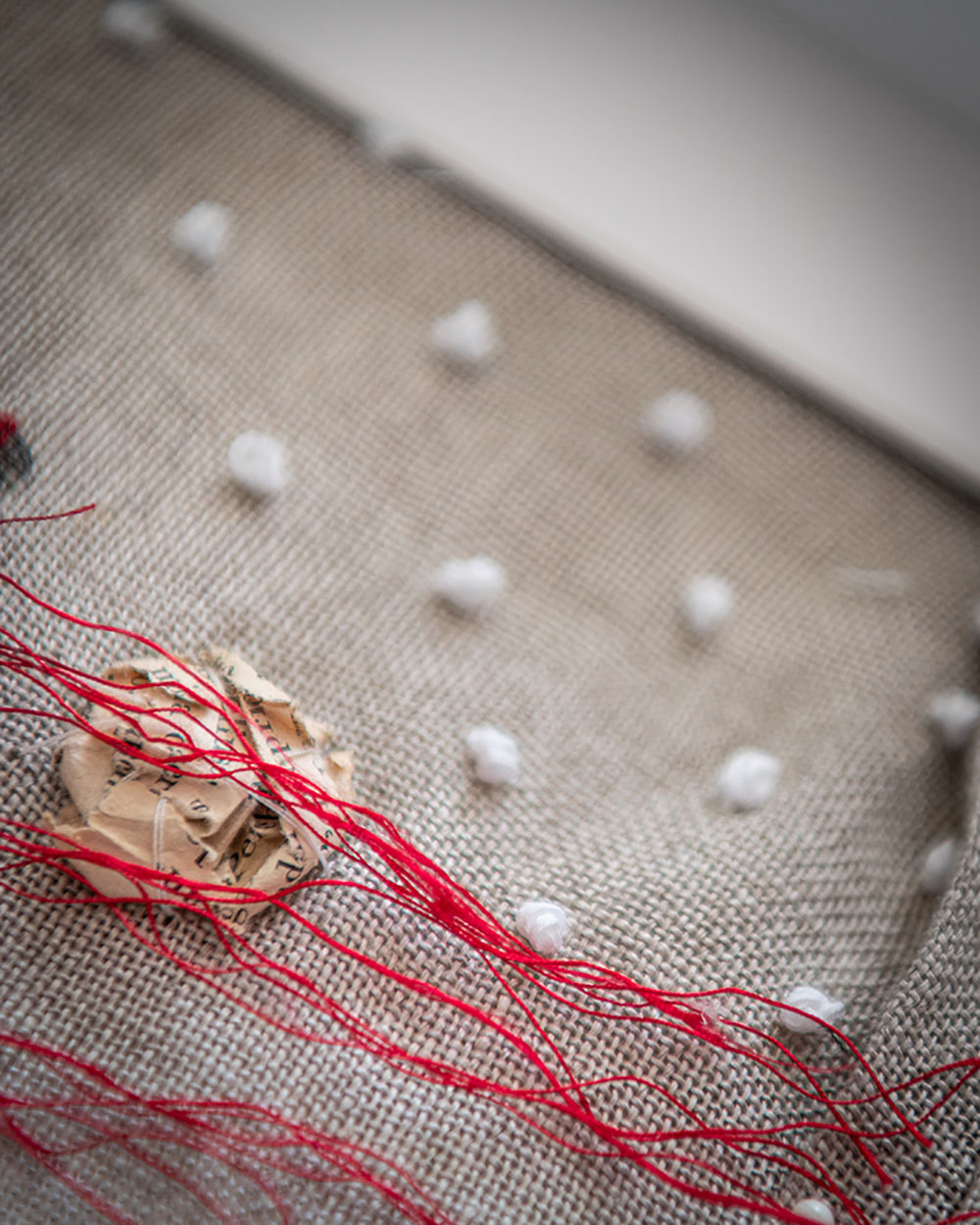
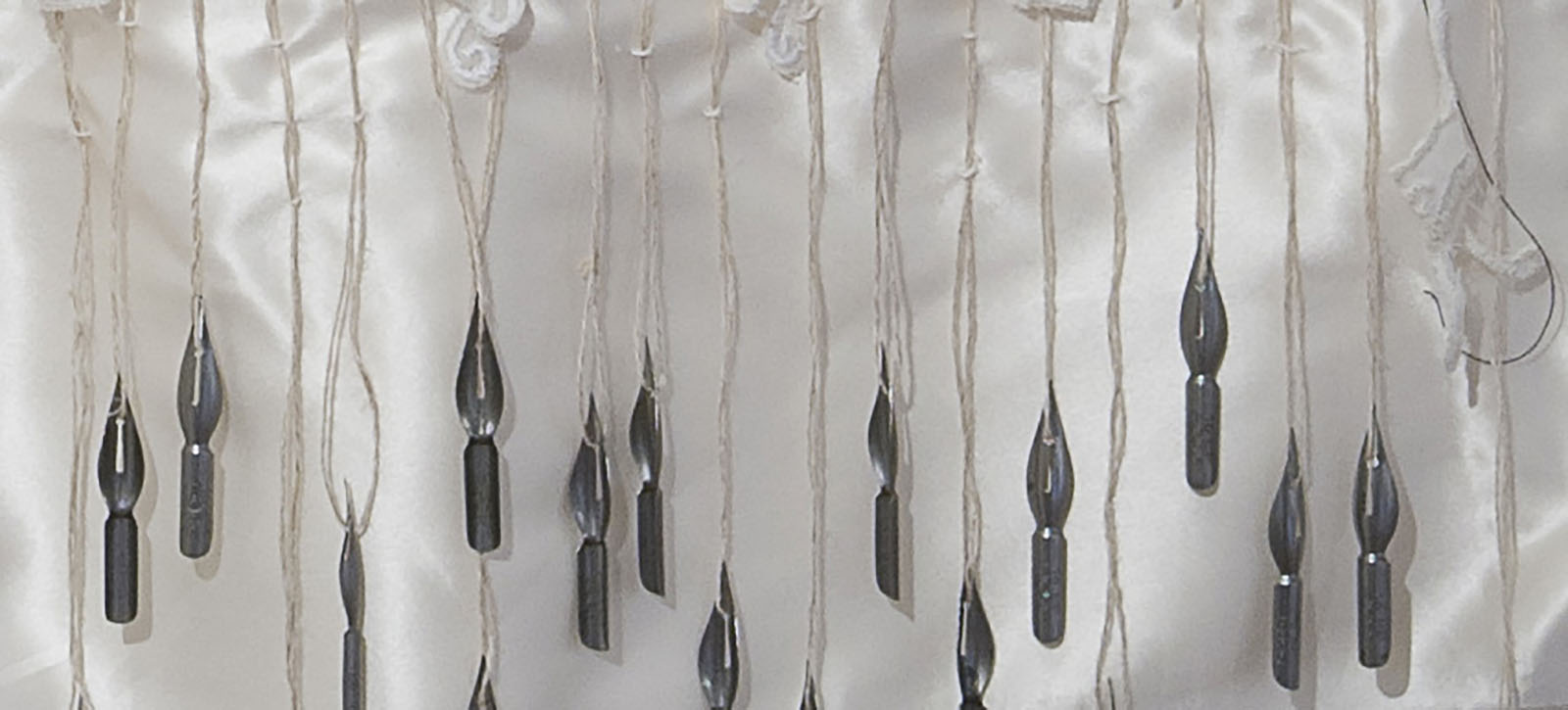
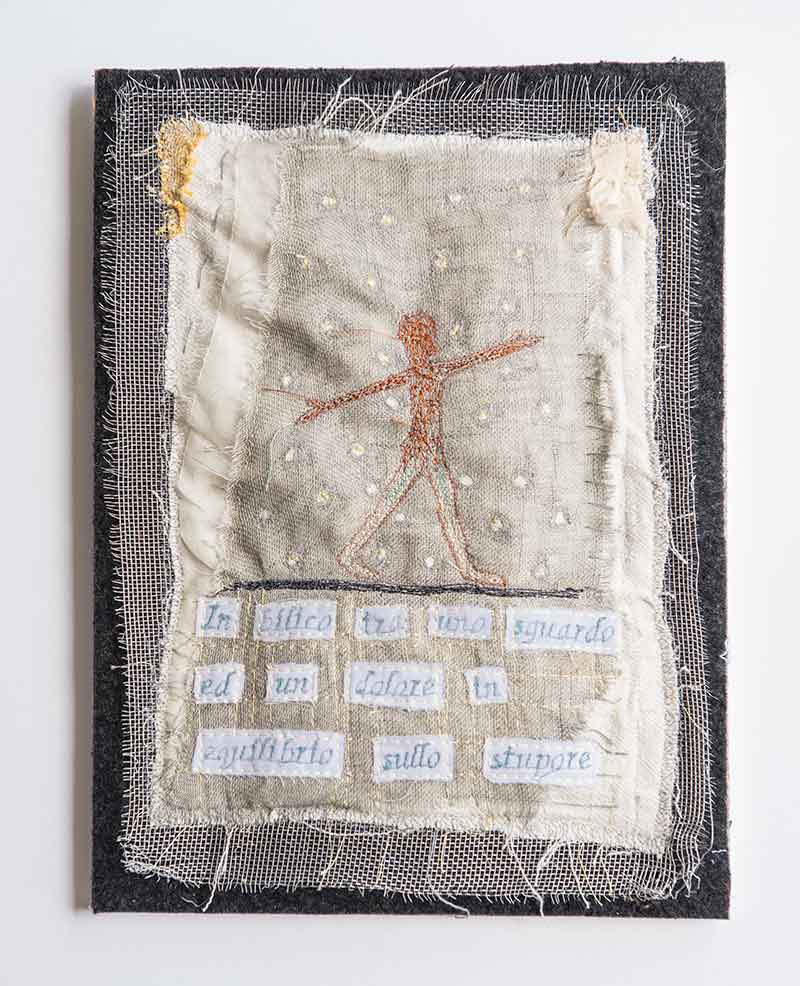
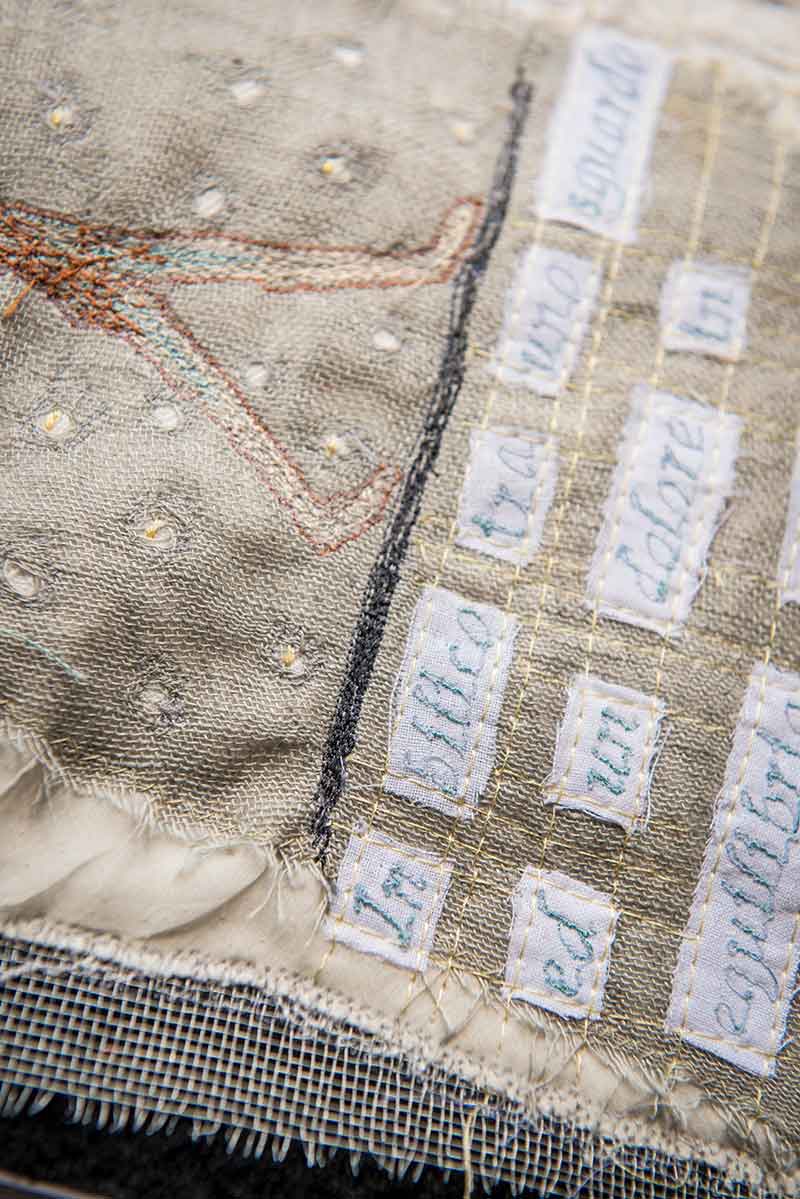
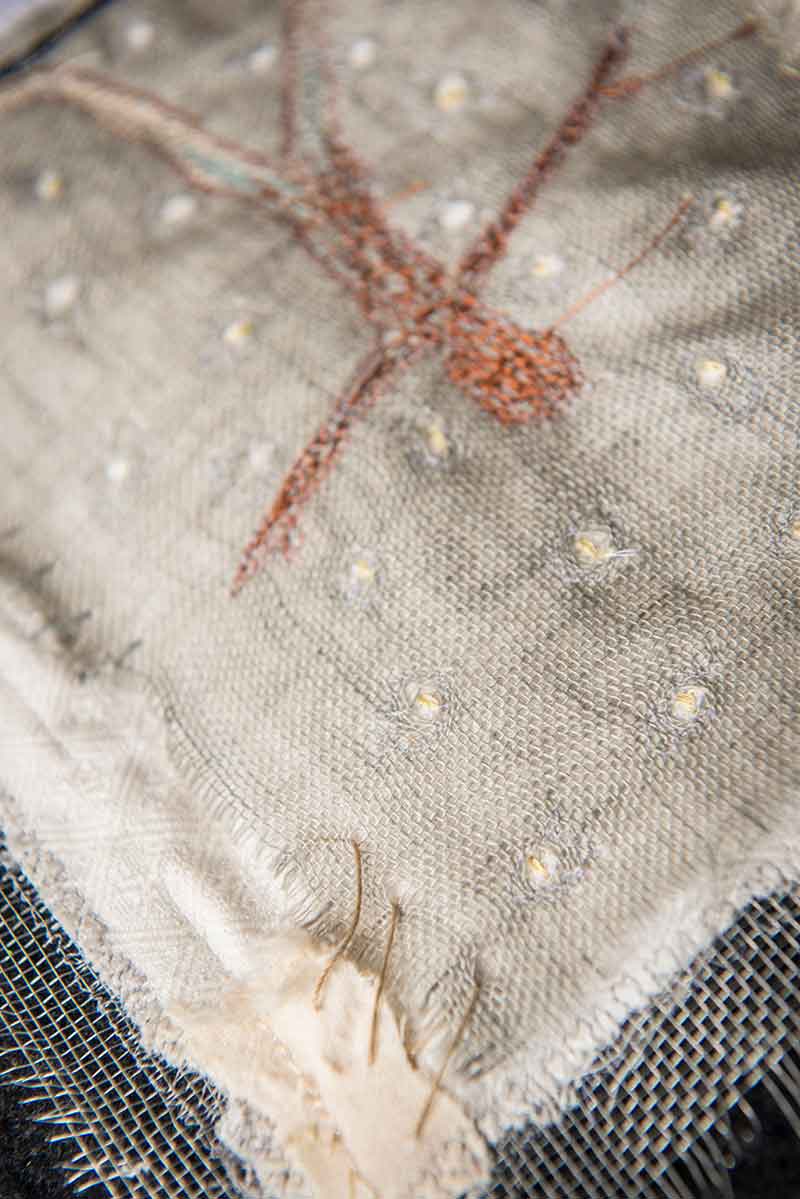
Quando ero piccola mia nonna mi raccontava una fiaba che parlava di una ragazza, prigioniera in una torre che si affacciava alla finestra solo quando sua madre la chiamava dicendo:” Bianca come la neve, rossa come il sangue, spendola la tua treccia e tira su la tua cara mamma”. Lei gettava la treccia nera dall’alto della torre e sua madre poteva salire. Questa immagine cromatica è sempre rimasta fissa nella mia mente. Nella fiaba la ragazza alla fine si libera dalla prigionia materna grazie all’amore. Lei scappa e la madre muore.
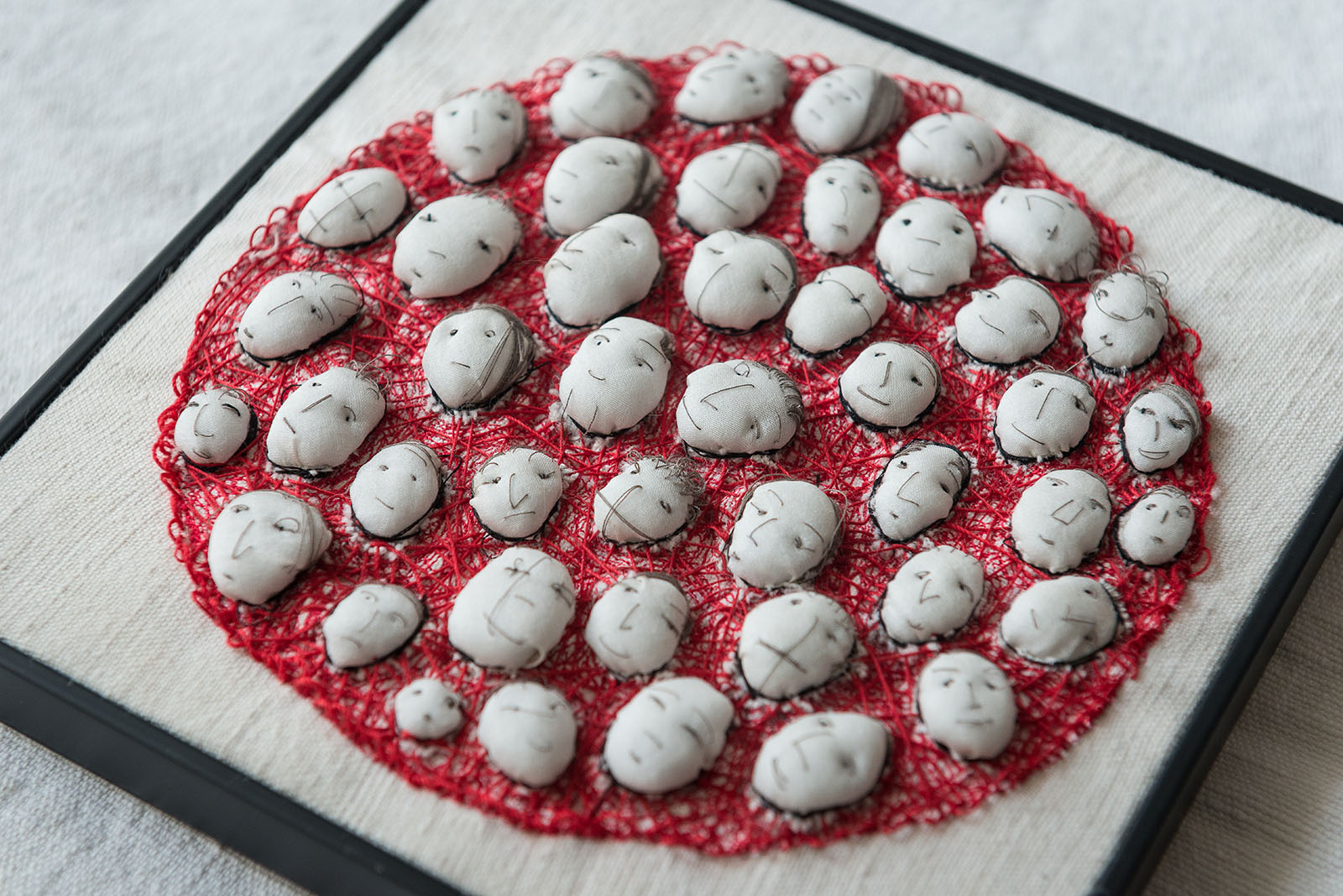
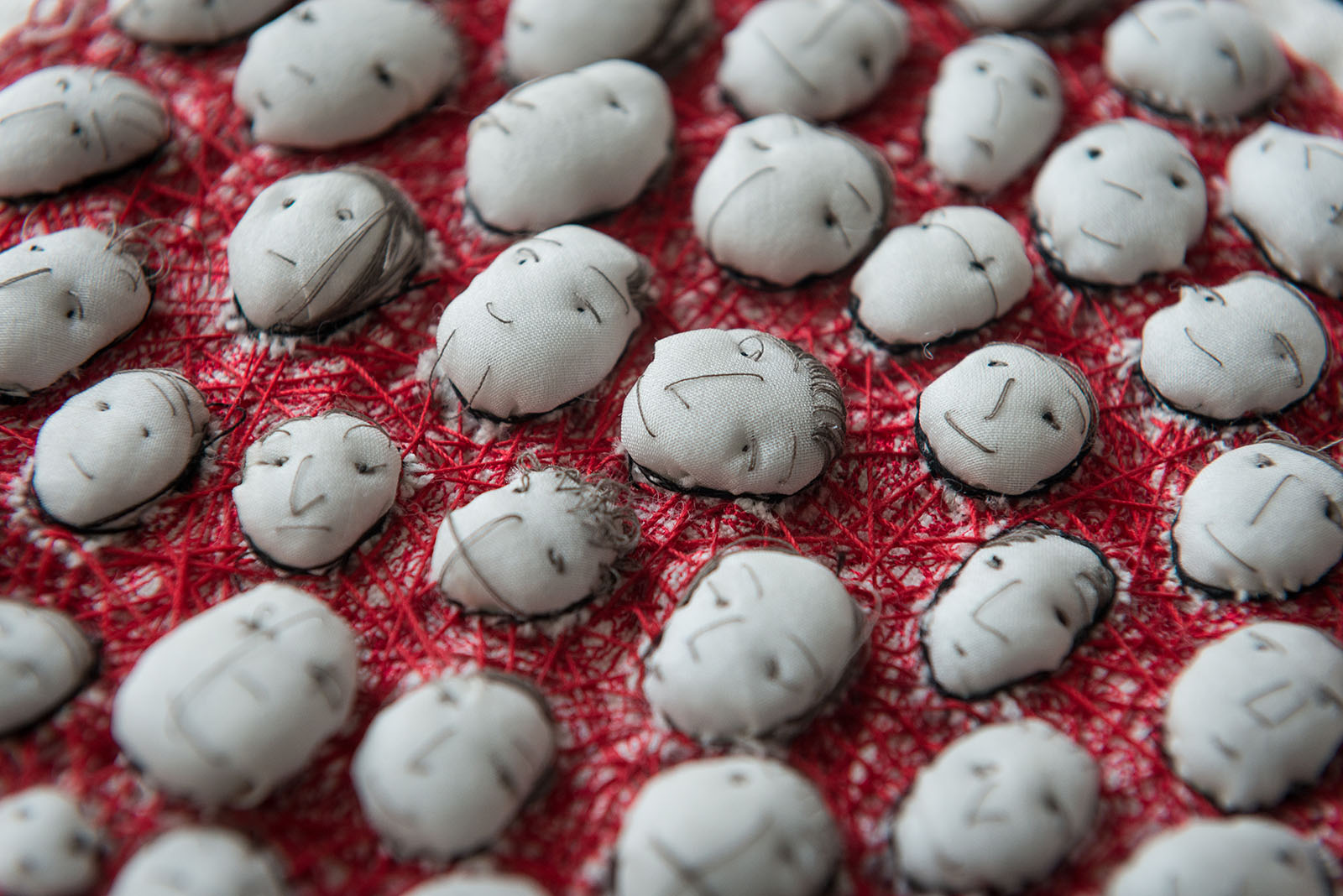
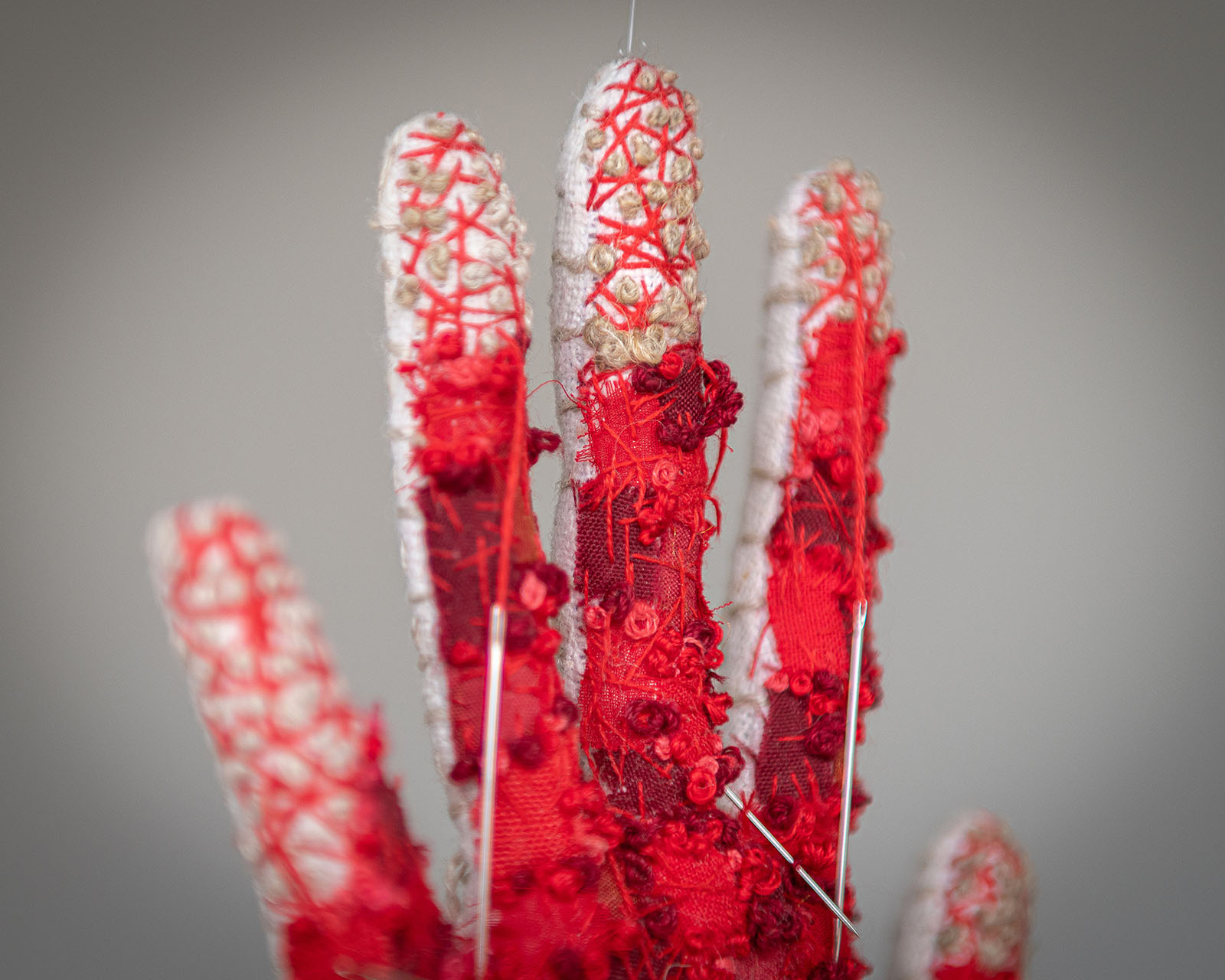
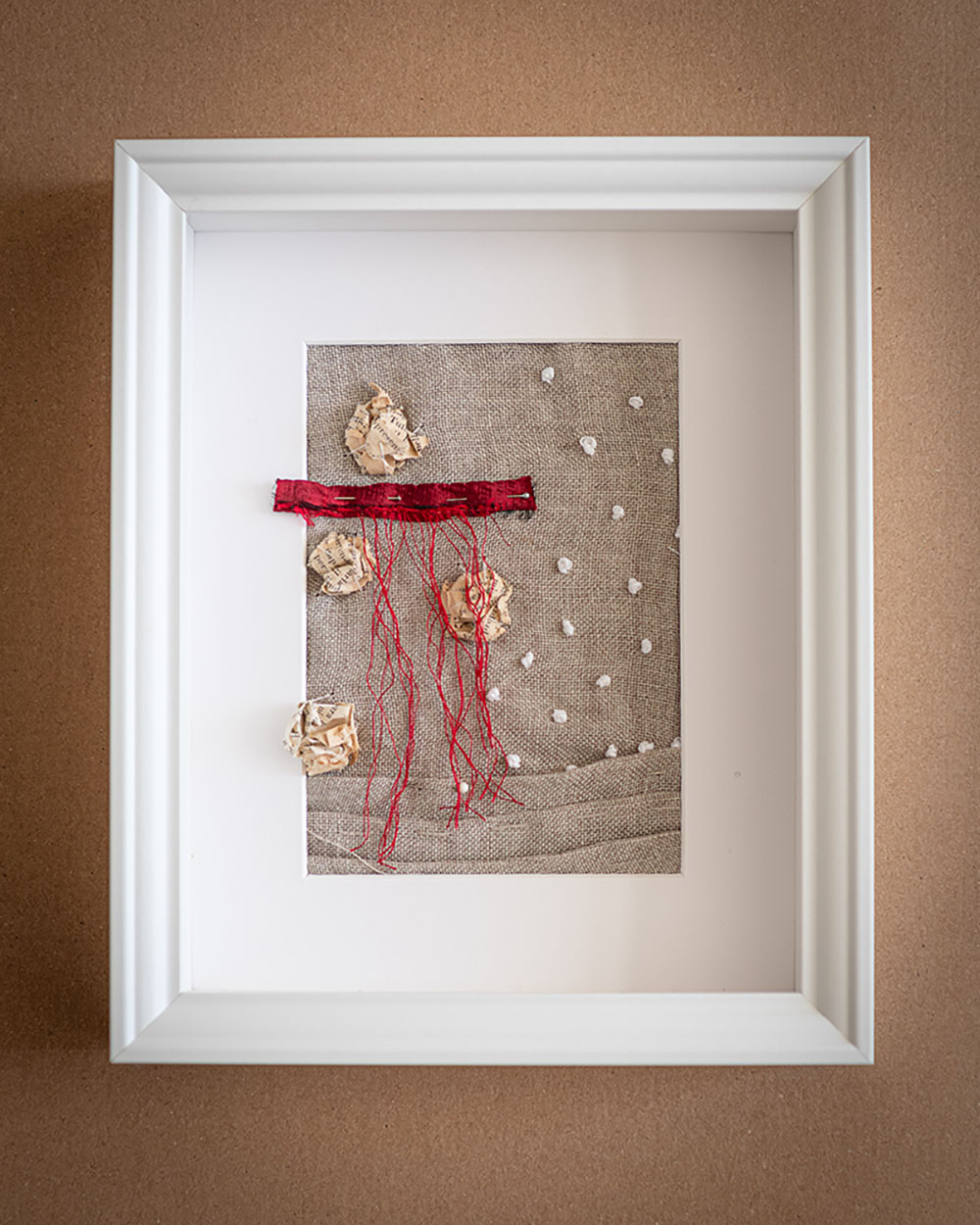
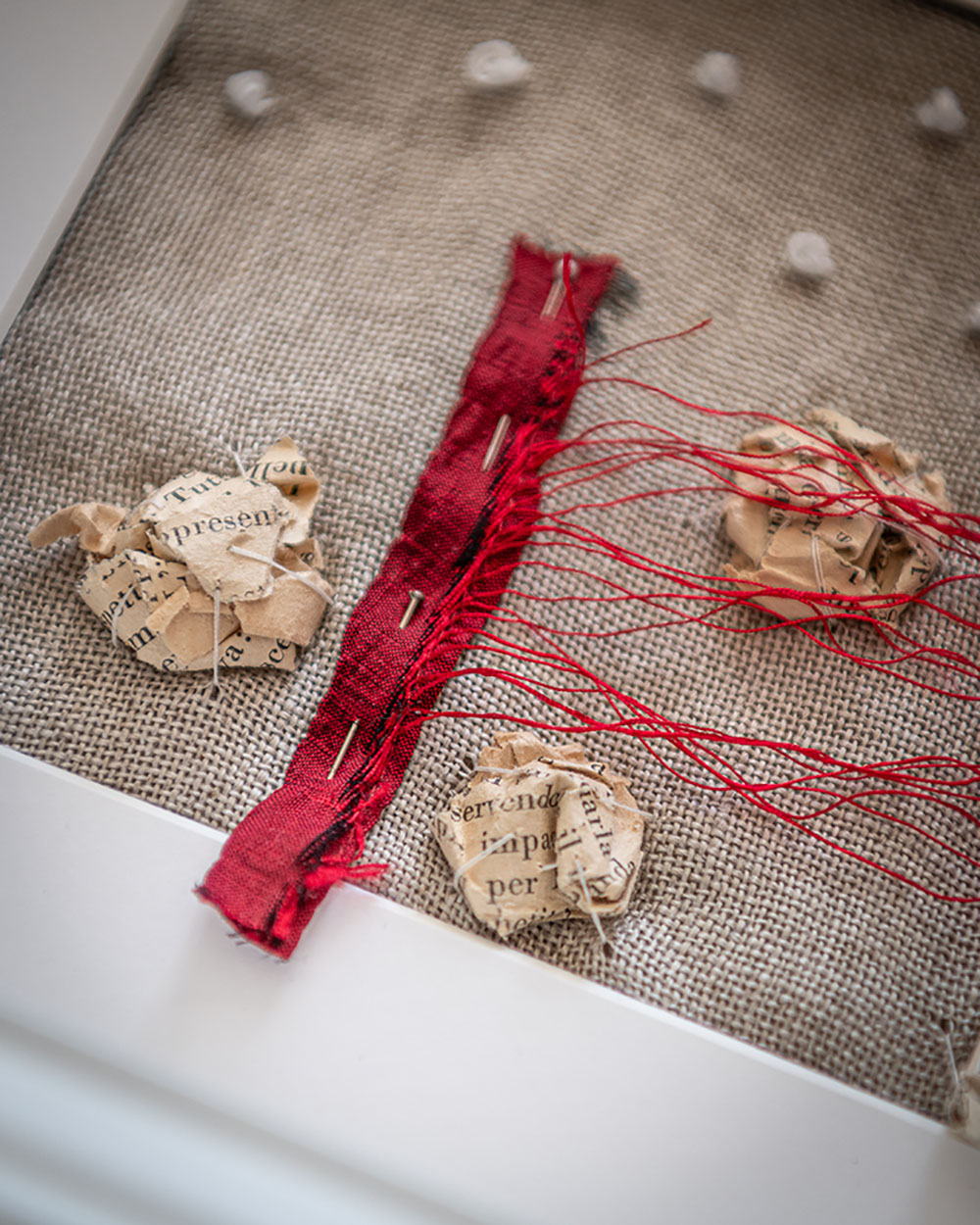
Nella fiaba il bianco è il simbolo dell’innocenza della ragazza, il rosso è il simbolo della vita, della passione e del legame di sangue, il nero dei capelli è oscurità
emotiva, forza, profondità e mistero. Il bianco, il nero e il rosso sono tre soglie dell’essere prima ancora che tre colori.
Questa palette è una sorta di grammatica simbolica che esprime pulizia concettuale, equilibrio essenziale, presenza, assenza e intensità.